
Discover Phuket
Restaurants, Beaches And Tours Across Phuket
Island Guide
Discover Phuket
138+ operators across the island: west-coast beach restaurants, Old Town shophouse kitchens, Chalong dive shops, Phang Nga boat operators and Bang Tao beach clubs. One independent guide across 11 categories.
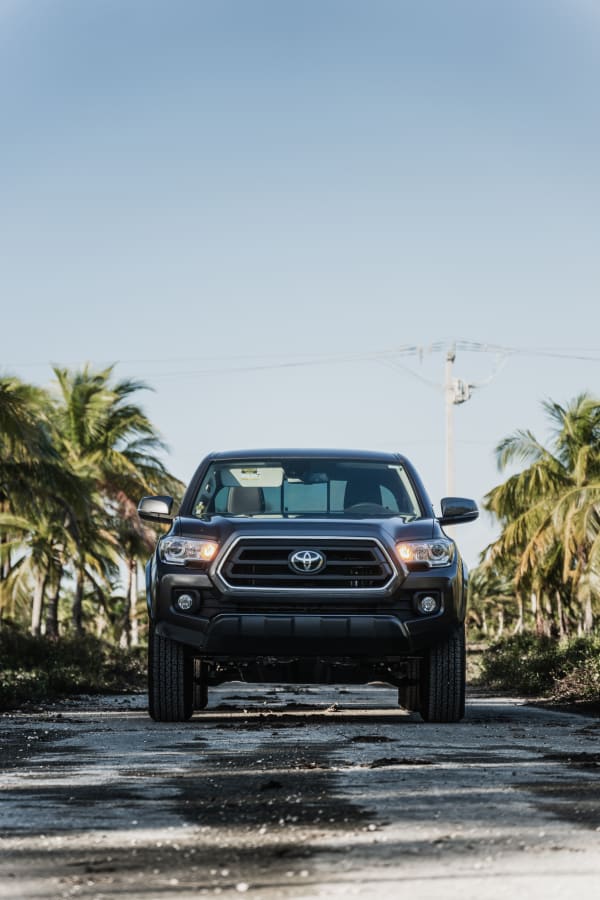
Car Rental
Hire a car and explore the island

Wanna Laundry Kamala Phuket
Neighbourhood laundry on a soi
Travel Tip
Two Very Different Seasons
November to April is the dry season: calm sea, full boat programme, highest rates. May to October is the southwest monsoon, with surf and rip currents on the west coast but a greener island, far lower prices and the surf season at Kata.

Fitness Hero
Hammer Strength and Life Fitness


Bina Souvenir & Spa Shop
Market unit in Patong's craft
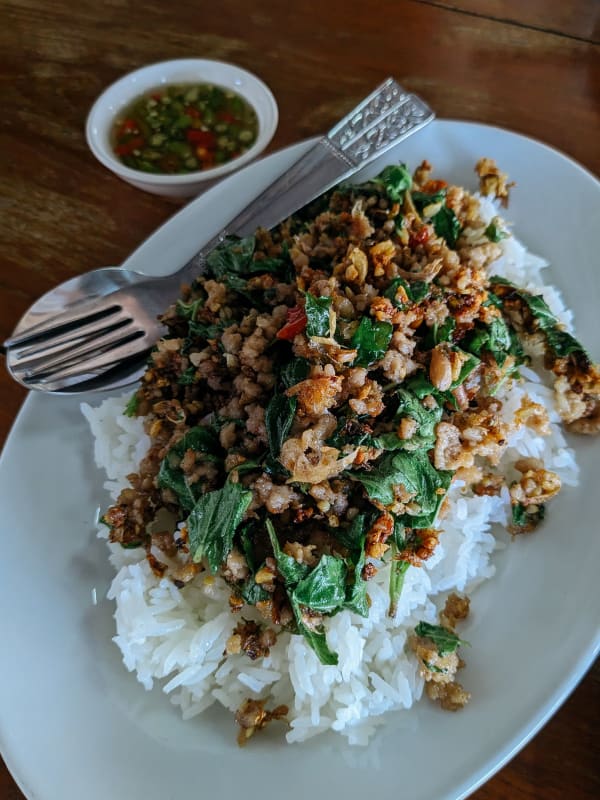
Restaurants
Beach seafood grills & Old Town shophouse kitchens
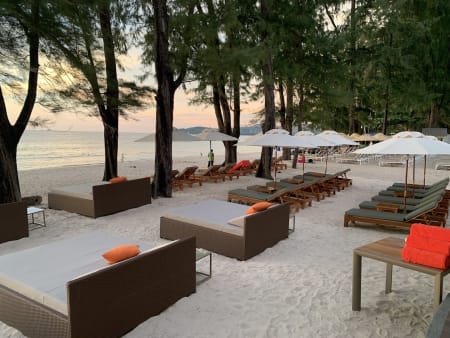
Nora Beach Club
No door charge on this
Food & Drink
Eat Like A Local
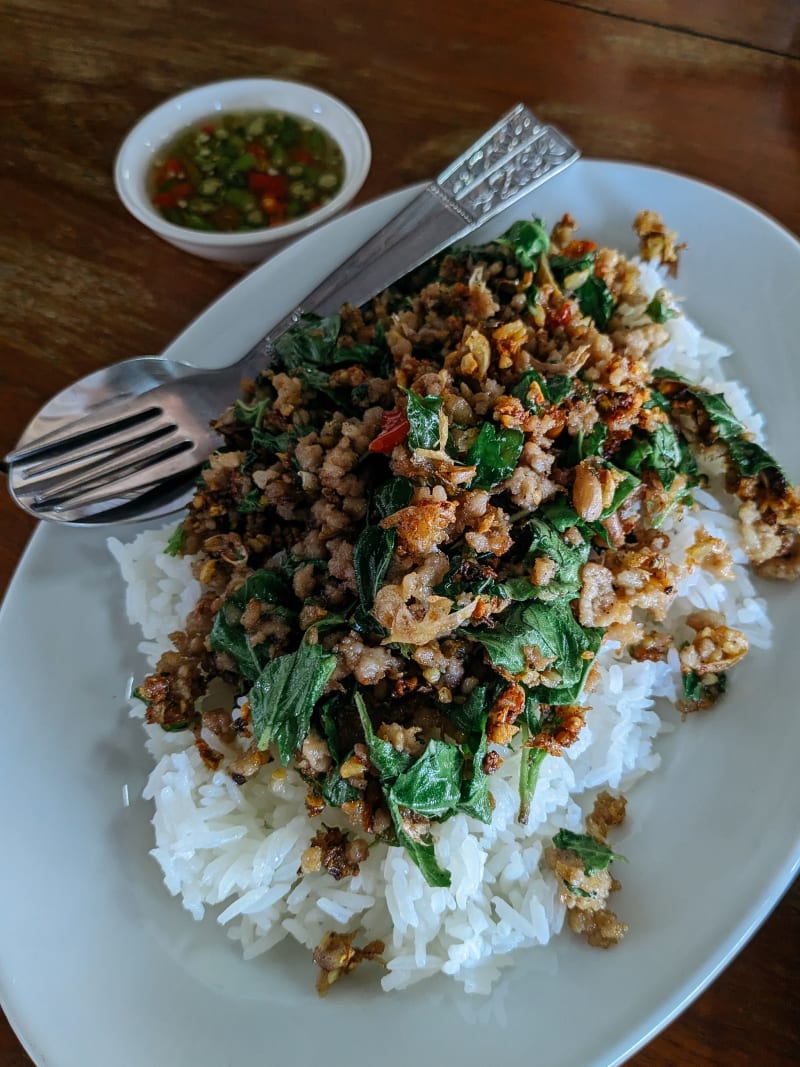
Island dishes to look for: mee hokkien noodles in gravy, o-tao oyster and taro fry-up, moo hong pork belly braised in soy and pepper, loba offal platters, and kanom jeen Phuket eaten for breakfast with curry.
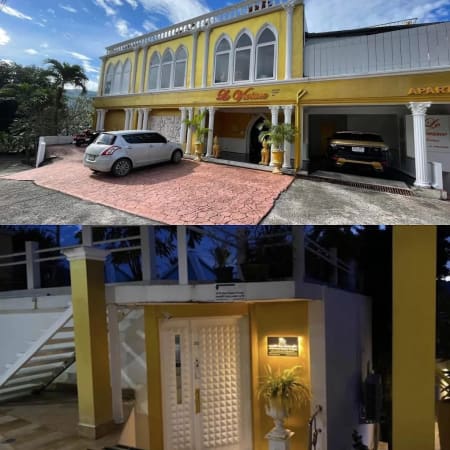
JFTB Real Estate Phuket
Independent buyer's side representation since
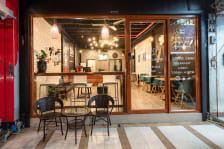

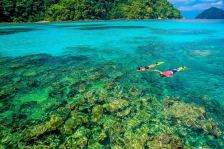

Motorbike for Rent Phuket (Sek)
Owner-run bikes hired out under
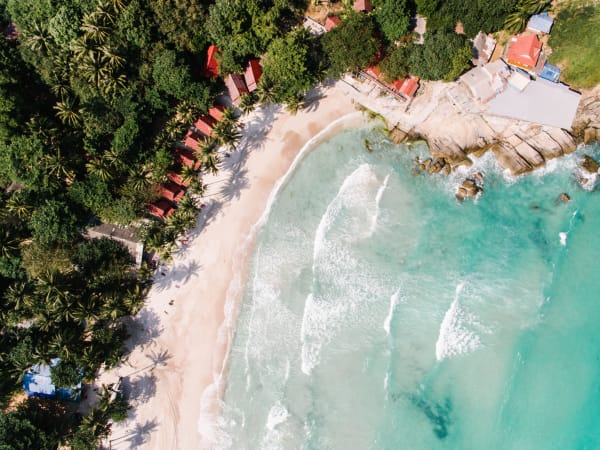
Beaches
Patong, Kata, Nai Harn & the northern park bays
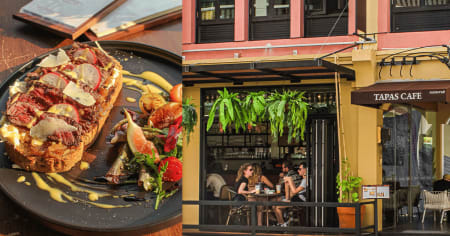
Tapas Cafe & Restaurant
Contemporary plates built on traditional
Directory
138+ Operators
From Old Town shophouse kitchens to west-coast beach restaurants, Chalong dive shops and Bang Tao beach clubs. Every part of Phuket in one place.

Asian Art Souvenir Shop
Eclectic stock of art pieces
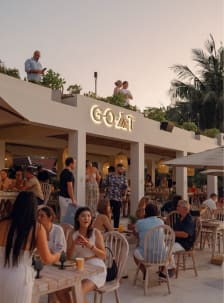


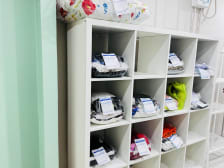

Mai Morn Resort
Low-rise stay with room grades
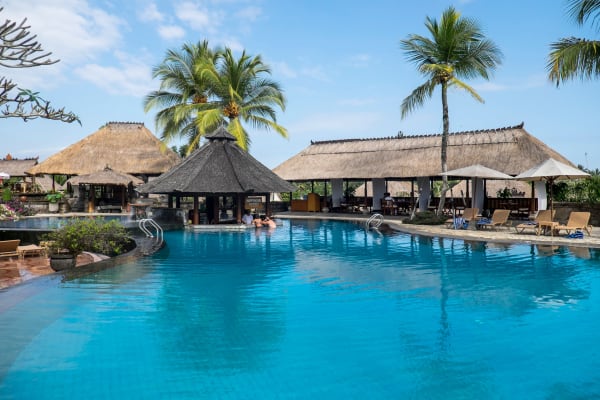
Accommodation
Beach resorts, pool villas & long-stay apartments
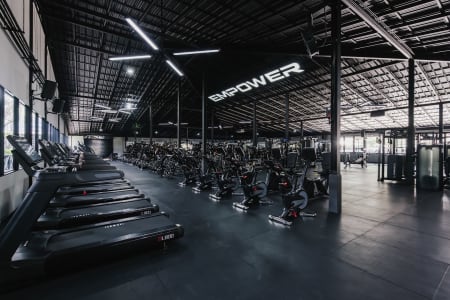
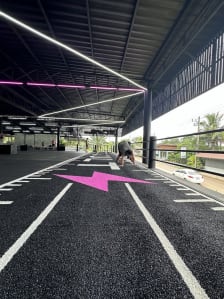
Empower Gym
Training floor built around performance,
Heritage
Built On Tin
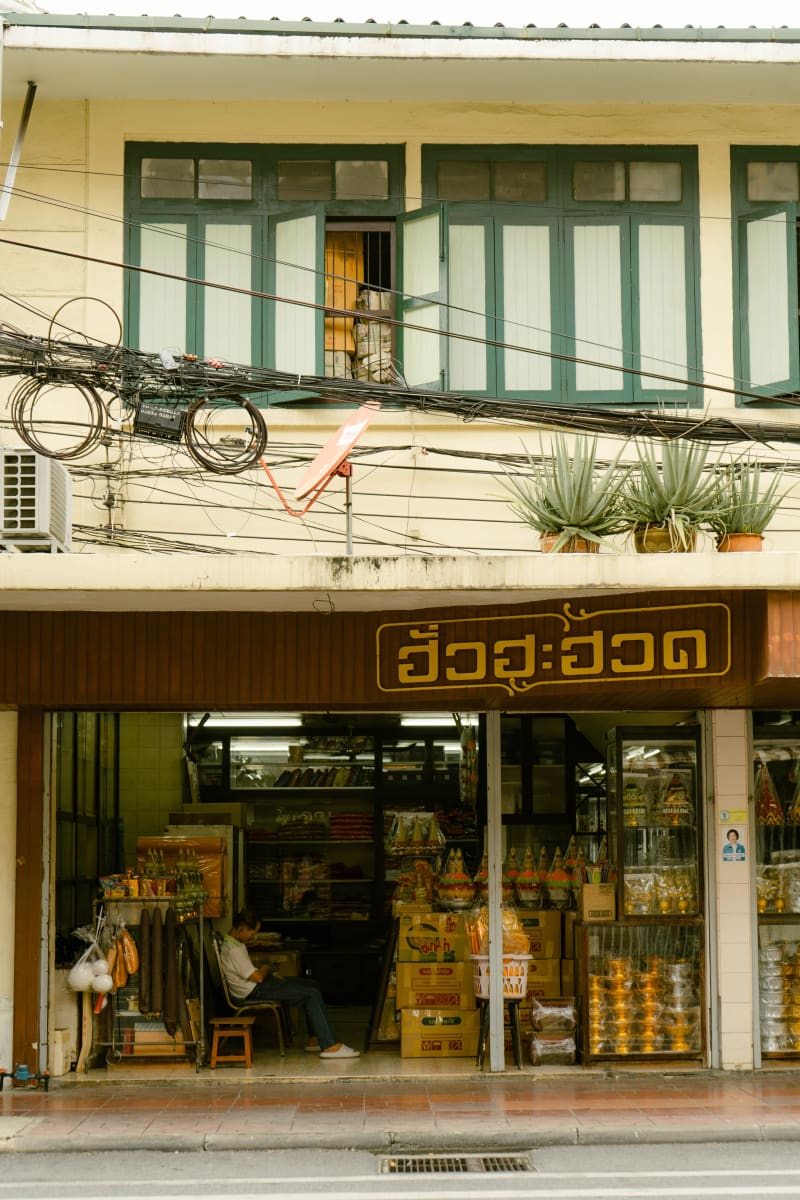
Phuket's Old Town was funded by the nineteenth-century tin boom, which drew Hokkien Chinese migrants whose Sino-Portuguese shophouses still line Thalang and Dibuk. The same community shaped the island's Peranakan food and its Vegetarian Festival.
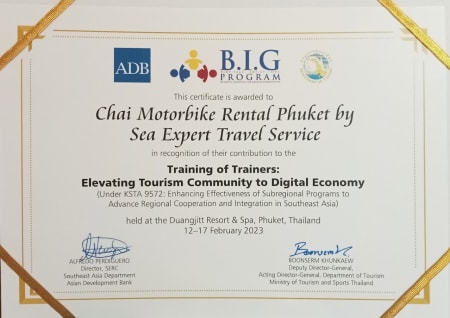
Chai Motorbike Rental & Sea Expert Travel
Twin-trade counter pairing motorbike hire
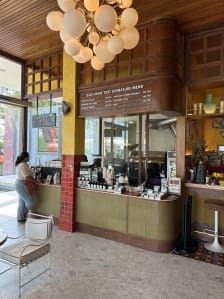
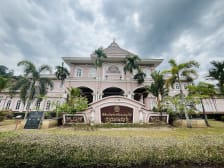
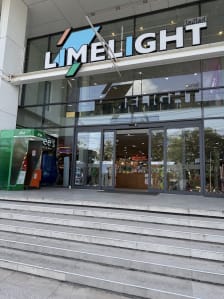

The Library Phuket
The night-time library concept from
Attractions
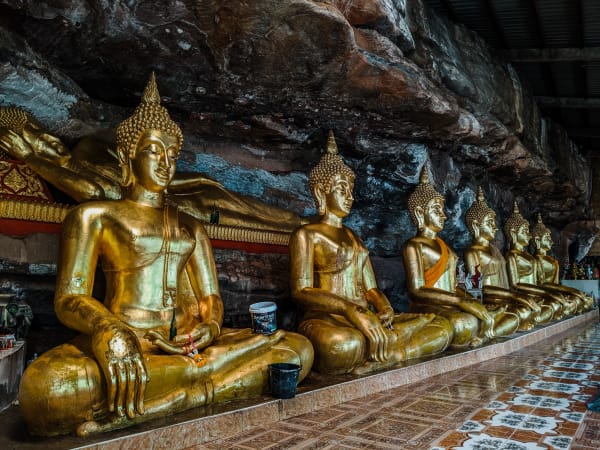
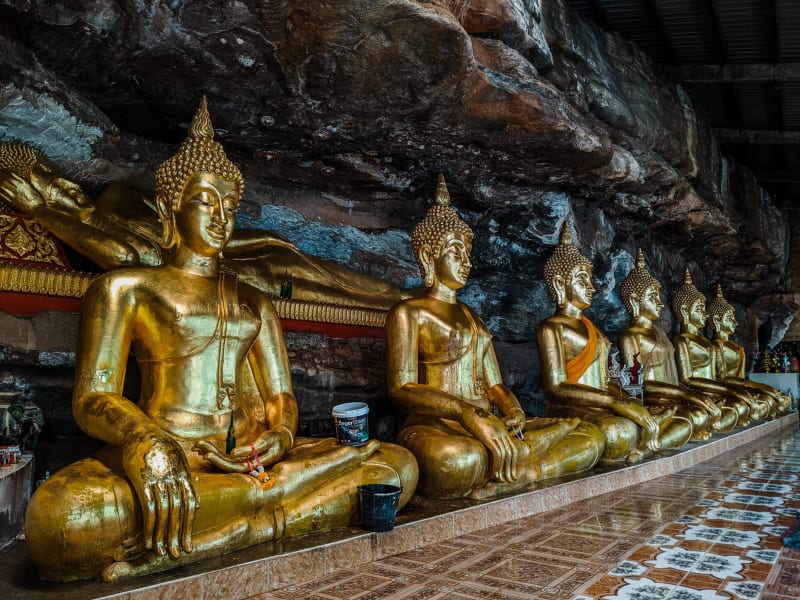
Big Buddha, Wat Chalong & the Old Town

Empire Estates Phuket
Desk in the Laguna-side villa
Day Trip
Phang Nga Bay
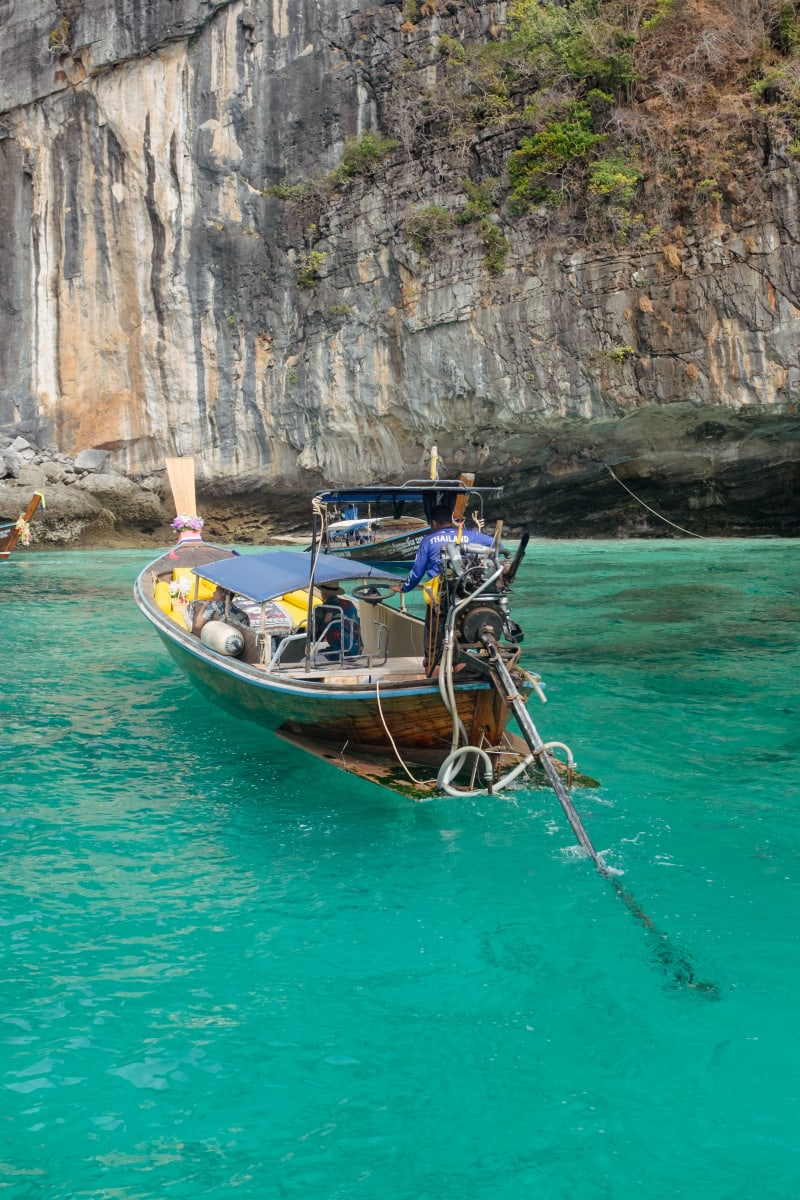
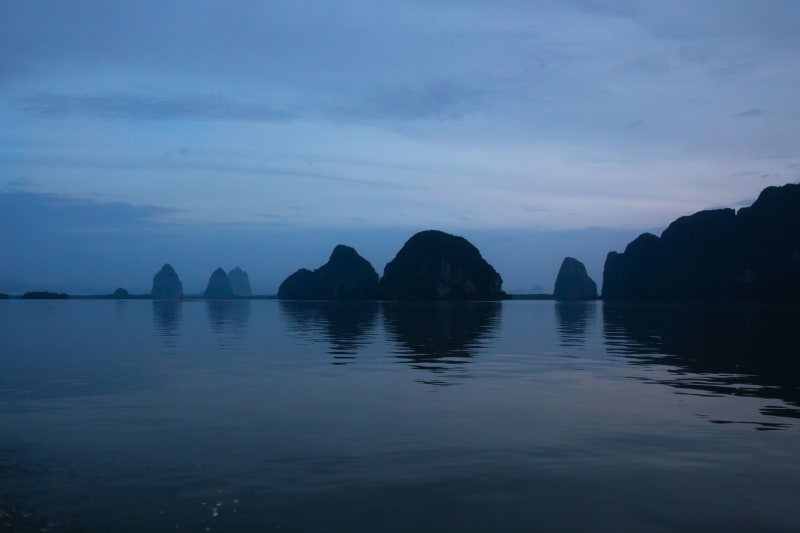
Limestone karsts, sea caves and hidden lagoons an hour north of the island, reached by speedboat or longtail from the piers. James Bond Island and Hong Island are the standard stops, with sea-canoe trips going into the caves.

Seabed Grand Hotel Phuket
Self-styled five-star independent south of

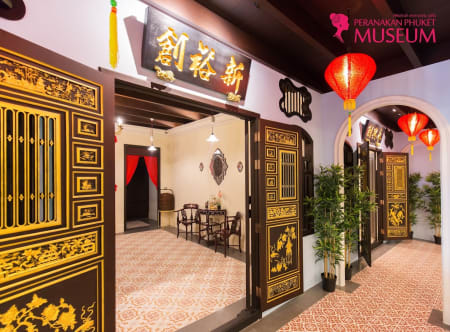
Peranakan Museum
Museum devoted to the island's
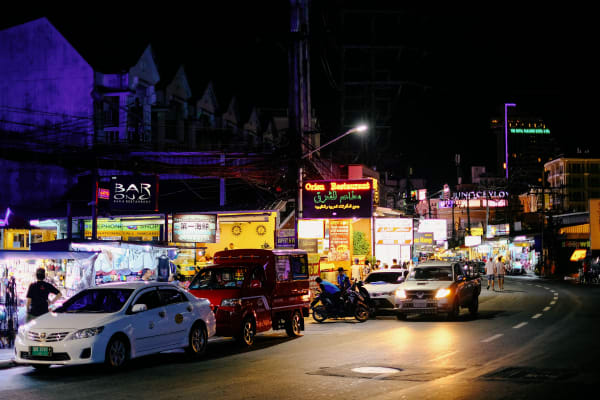
Nightlife
Bangla Road bars & northwest beach clubs
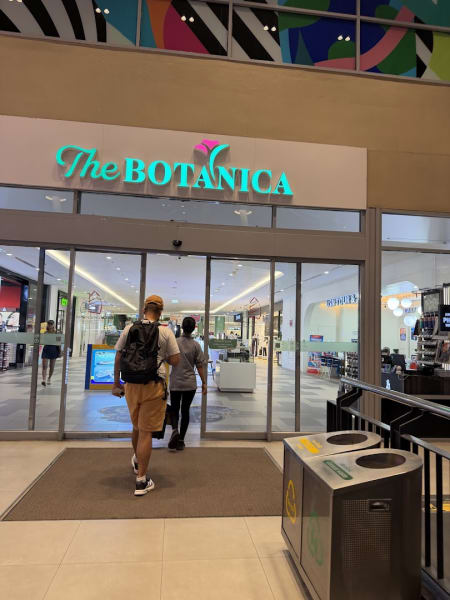
Jungceylon
Zoned complex in the middle
Travel Tip
Two Very Different Seasons
November to April is the dry season: calm sea, full boat programme, highest rates. May to October is the southwest monsoon, with surf and rip currents on the west coast but a greener island, far lower prices and the surf season at Kata.
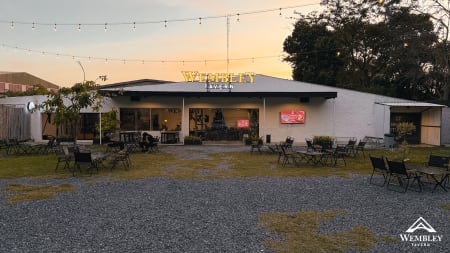
Wembley Tavern Phuket
Pub-style room that doubles as
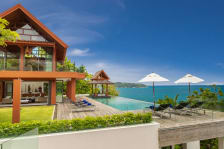

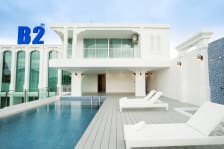

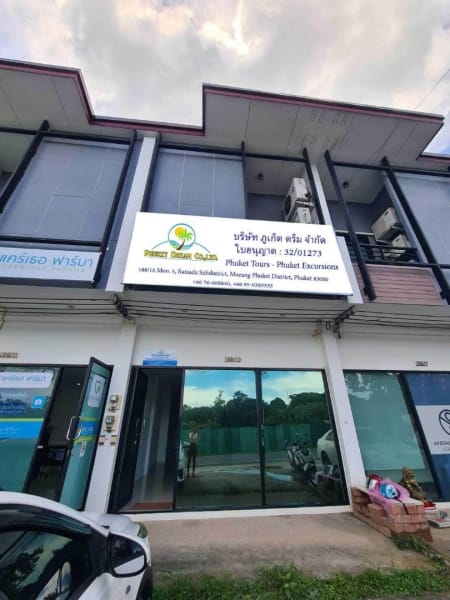
Phuket Dream Company
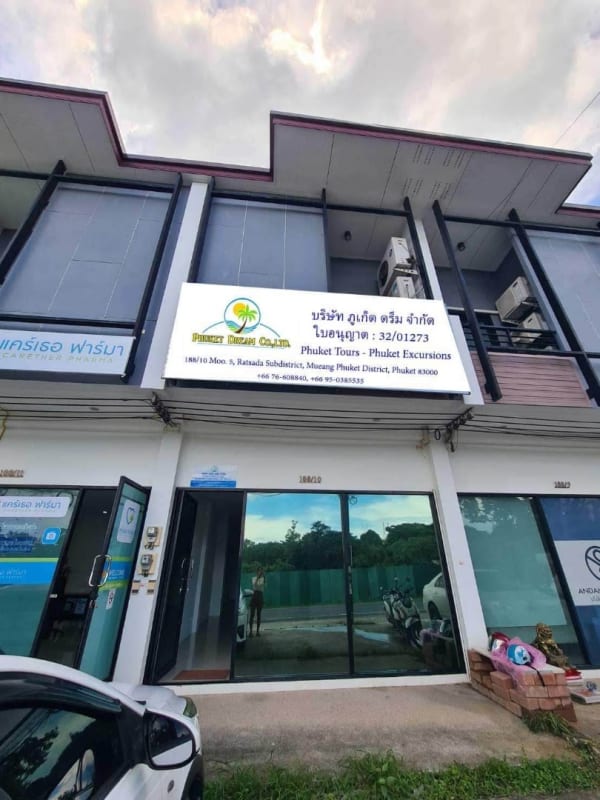
Wholesale and retail travel agent
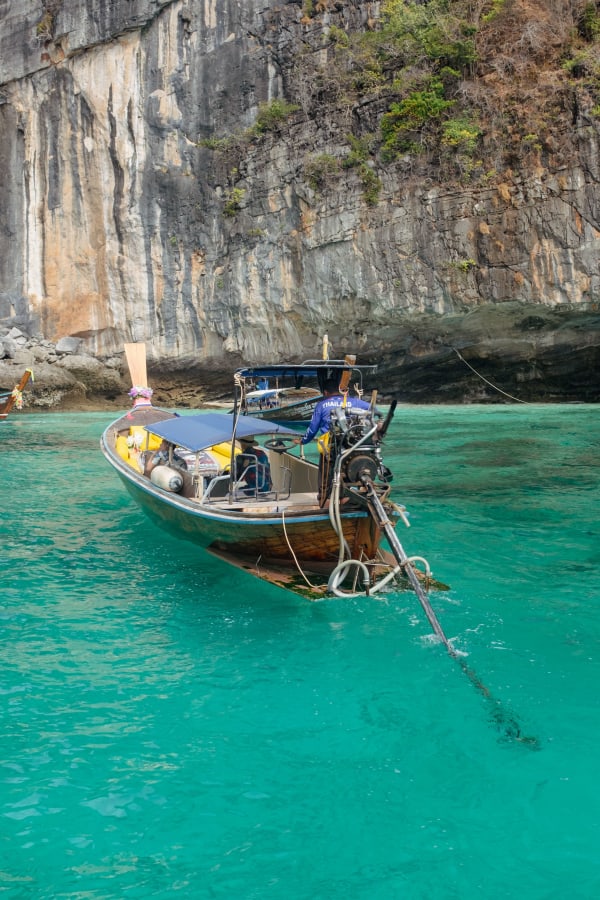
Activities & Tours
Island day trips, diving, elephants & Muay Thai
Cheap Car Rental 88 Phuket
Small independent lot renting at
Food & Drink
Eat Like A Local
Island dishes to look for: mee hokkien noodles in gravy, o-tao oyster and taro fry-up, moo hong pork belly braised in soy and pepper, loba offal platters, and kanom jeen Phuket eaten for breakfast with curry.
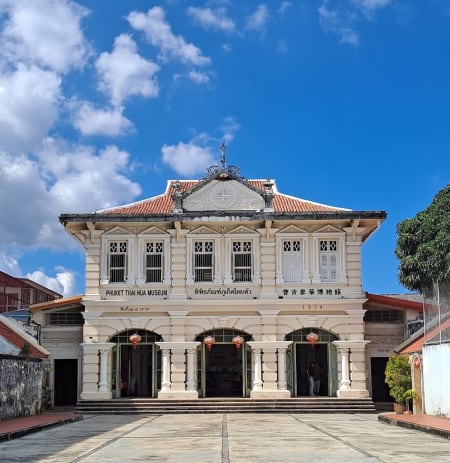
Phuket Thai Hua Museum
Galleries on the community that
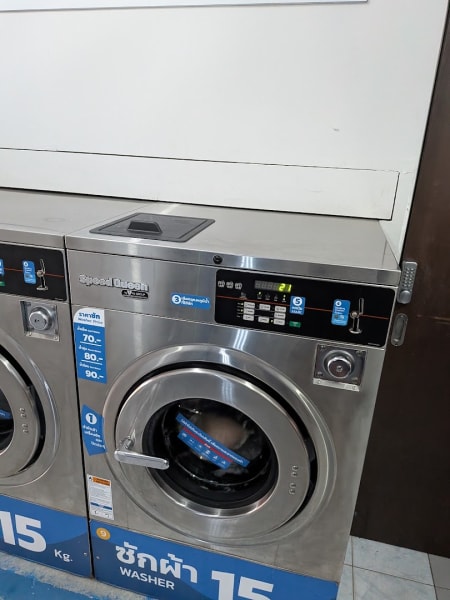
JB Wash & Dry 24 Hours
Self-service washers and dryers on
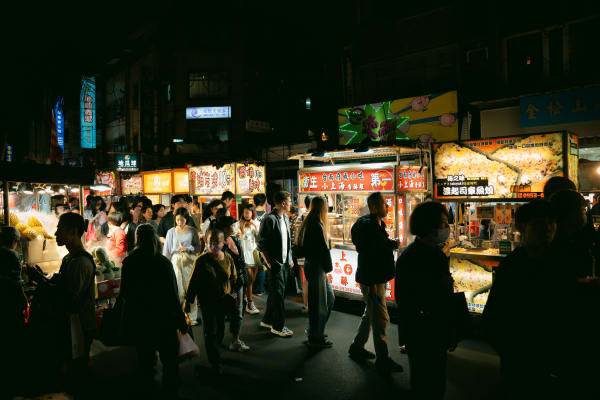
Shopping
Central & Jungceylon malls, night markets & tailors

A2 Pool Resort
Deluxe suites and cottage rooms
Directory
138+ Operators
From Old Town shophouse kitchens to west-coast beach restaurants, Chalong dive shops and Bang Tao beach clubs. Every part of Phuket in one place.
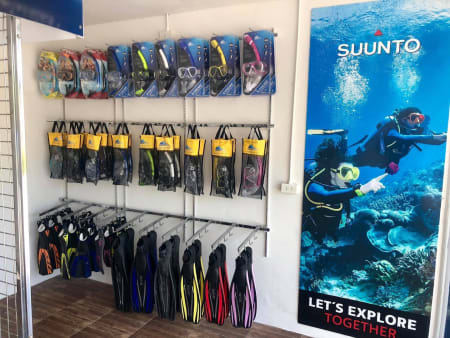
Phuket Dive Center
Day runs to Racha, Phi


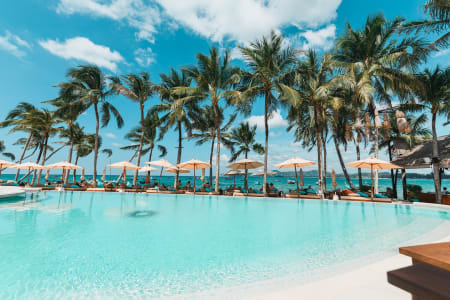
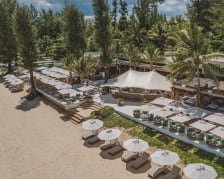
Carpe Diem Beach Club - Phuket
Sandbed rows and a beachfront
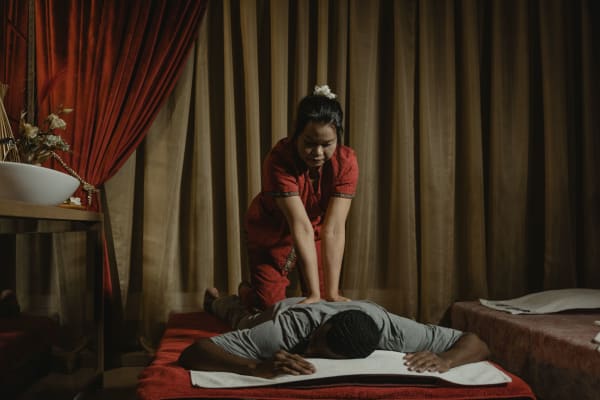
Health and beauty
Private hospitals, dental clinics, spas & massage
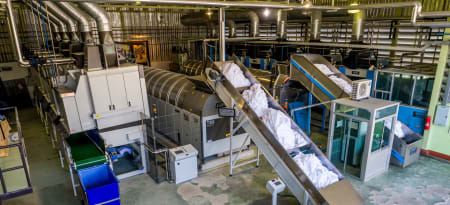
Phuket Laundry Co Ltd
Registered laundry firm on the
Heritage
Built On Tin
Phuket's Old Town was funded by the nineteenth-century tin boom, which drew Hokkien Chinese migrants whose Sino-Portuguese shophouses still line Thalang and Dibuk. The same community shaped the island's Peranakan food and its Vegetarian Festival.

Pure Serenity Spa Phuket Town
One of four island branches,
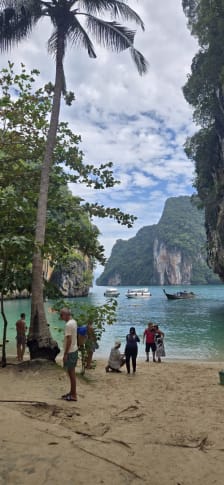

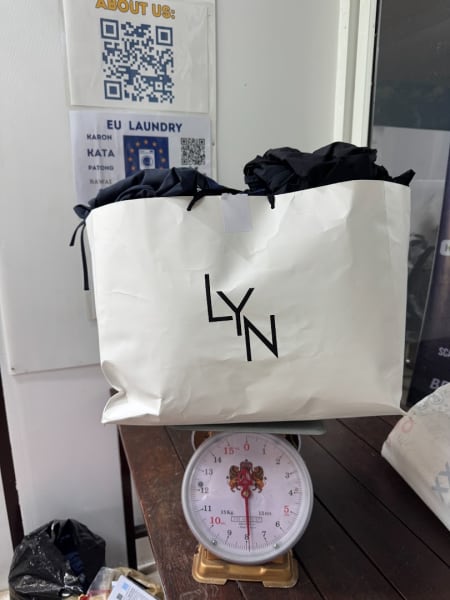
EU Laundry Kata
Collects from and delivers to
Transport
Airport transfers, car and scooter hire & the ferries
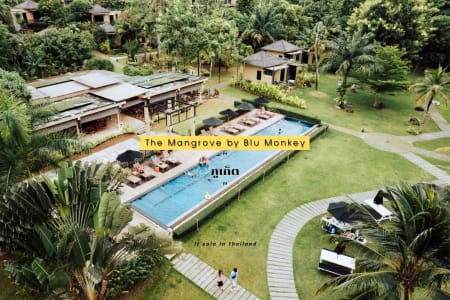
The Mangrove by Blu Monkey
Quiet-bay resort on the southeast
Day Trip
Phang Nga Bay
Limestone karsts, sea caves and hidden lagoons an hour north of the island, reached by speedboat or longtail from the piers. James Bond Island and Hong Island are the standard stops, with sea-canoe trips going into the caves.
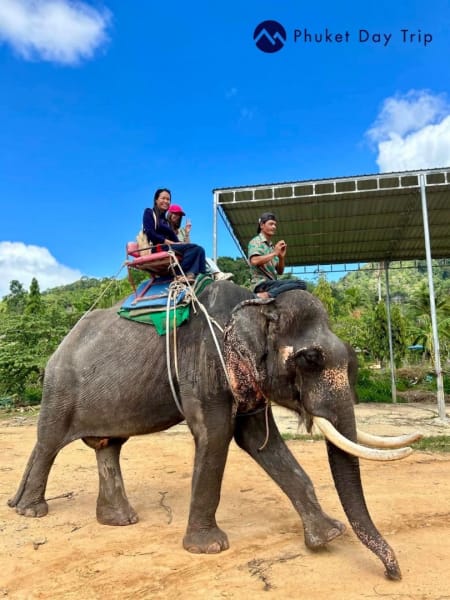
Phuket Day Trip Co., Ltd.
A Thai-registered operator selling join-in

Angel Car Rental Phuket Airport
Sixteen models from a Mitsubishi
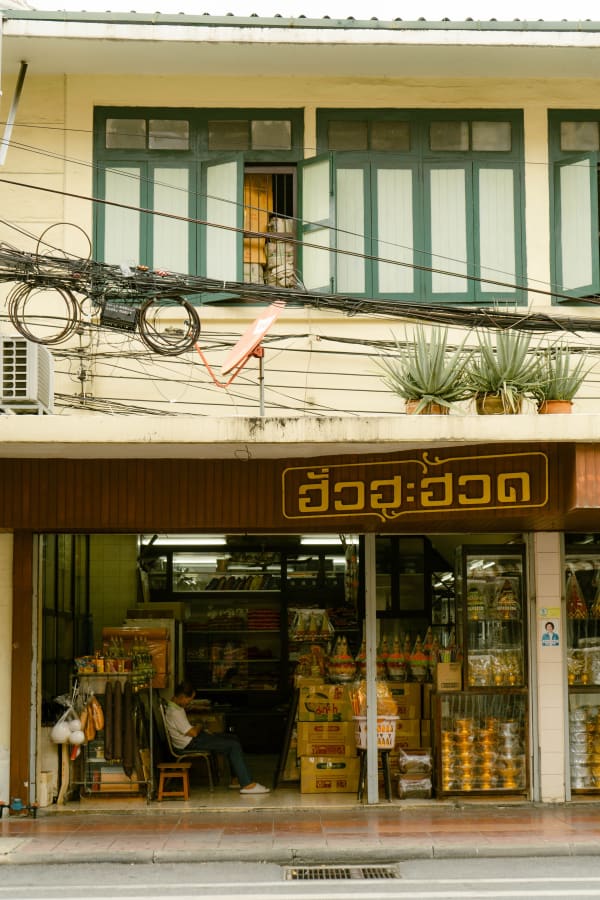
Services
Visa agents, banks, repairs & everyday trades
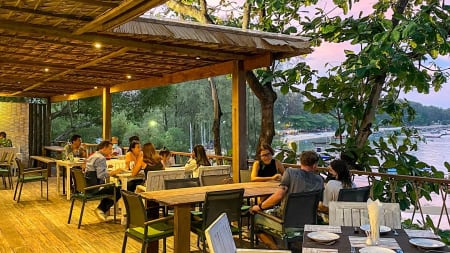
Rawai View
Built from natural materials under
Travel Tip
Two Very Different Seasons
November to April is the dry season: calm sea, full boat programme, highest rates. May to October is the southwest monsoon, with surf and rip currents on the west coast but a greener island, far lower prices and the surf season at Kata.
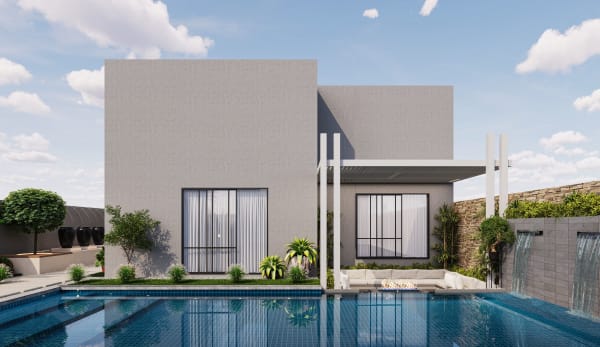
Real estate
5 places
Explore Phuket
From Old Town shophouse kitchens and beachfront seafood grills to Bang Tao beach clubs, Phang Nga Bay boat trips and the dive operators at Chalong. Every part of Phuket by category.
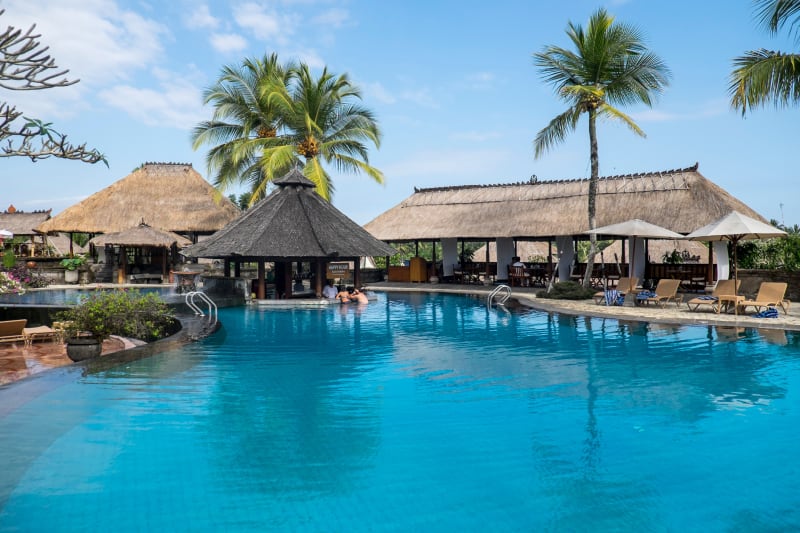
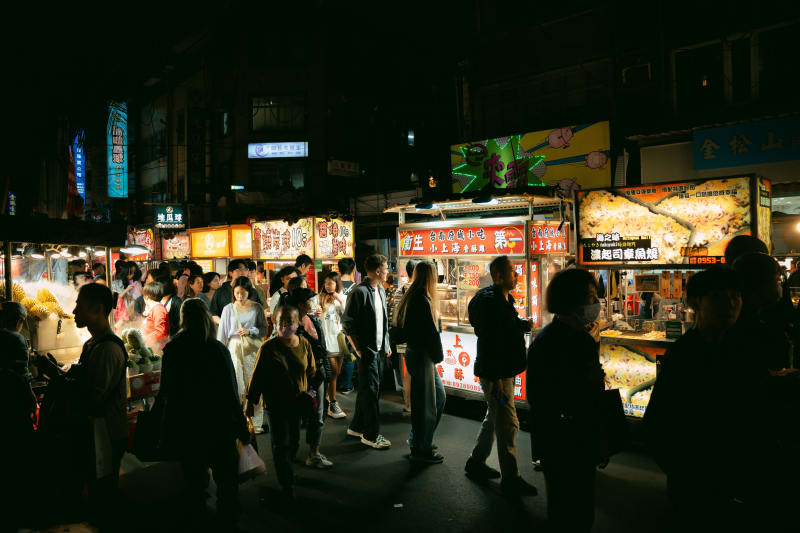
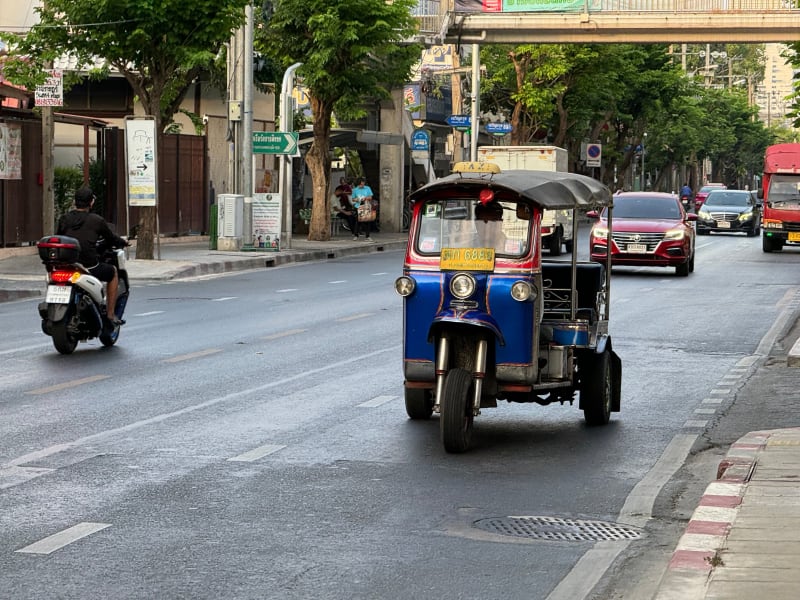
Around the island
Around the Coast
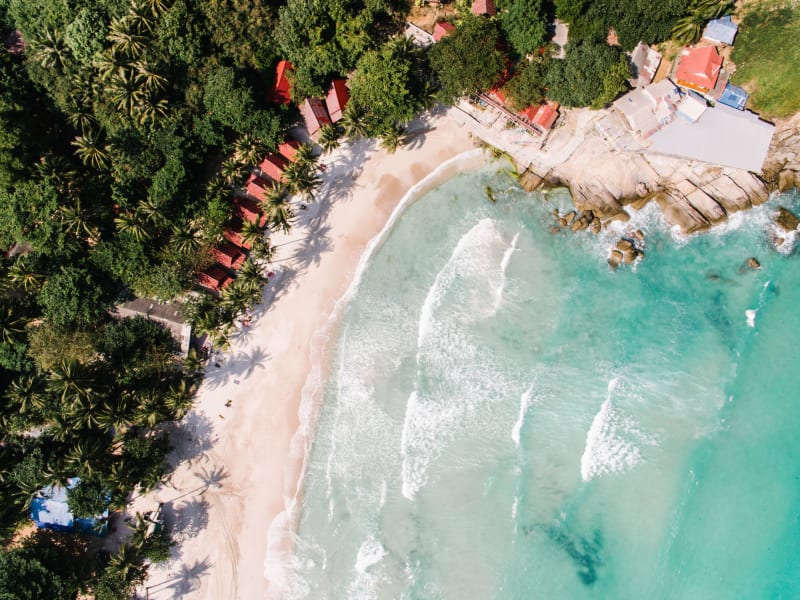
From Patong and the west-coast beaches through the Old Town and Chalong to the quiet park-protected bays north of the airport.
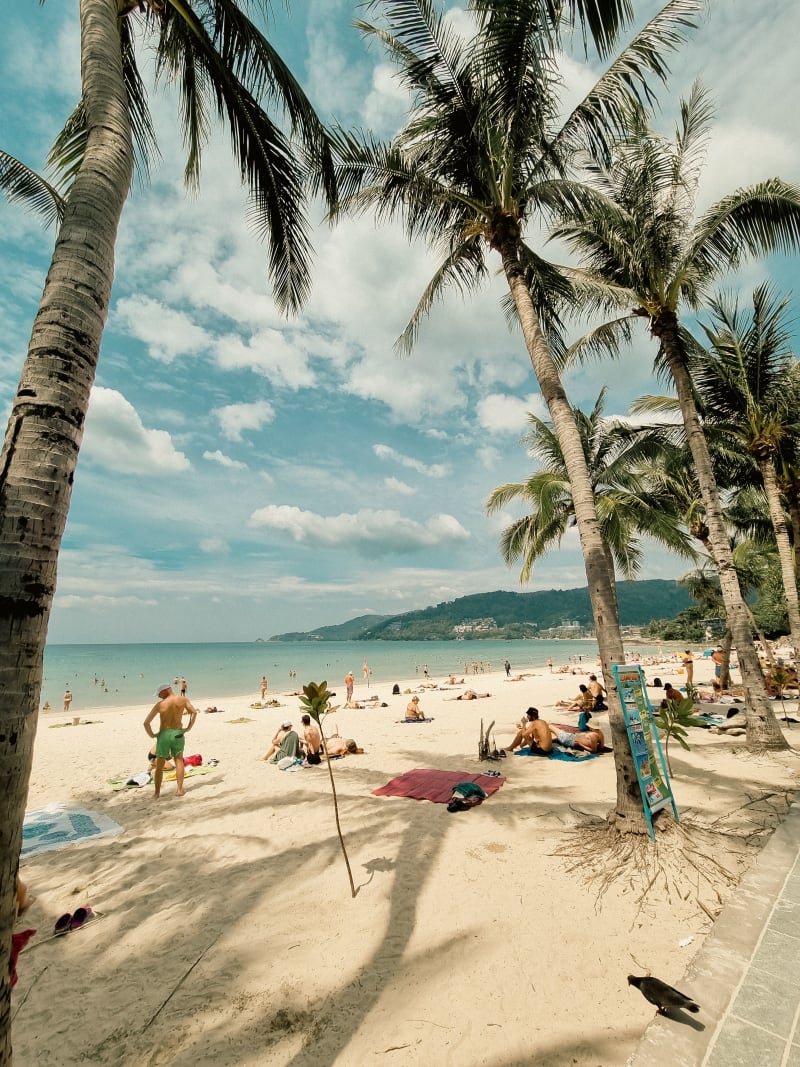
Patong
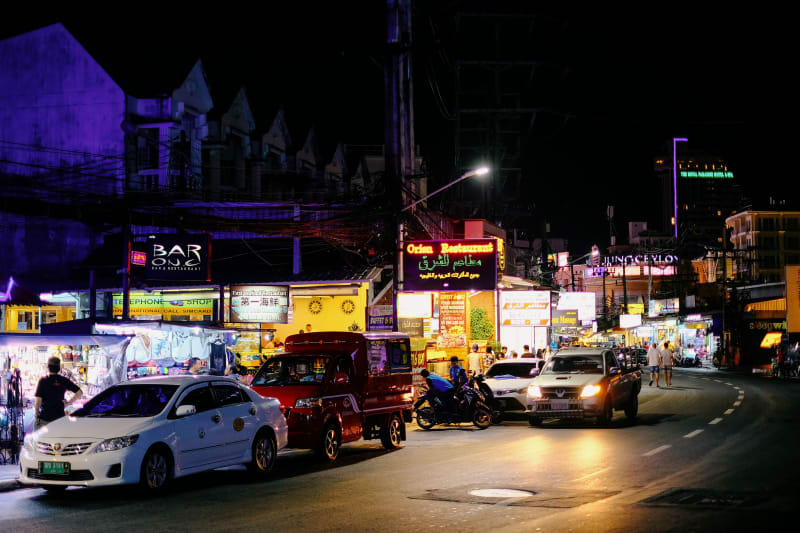
Patong is the busiest resort town on the west coast, holding the island's main nightlife strip and its densest hotel stock.
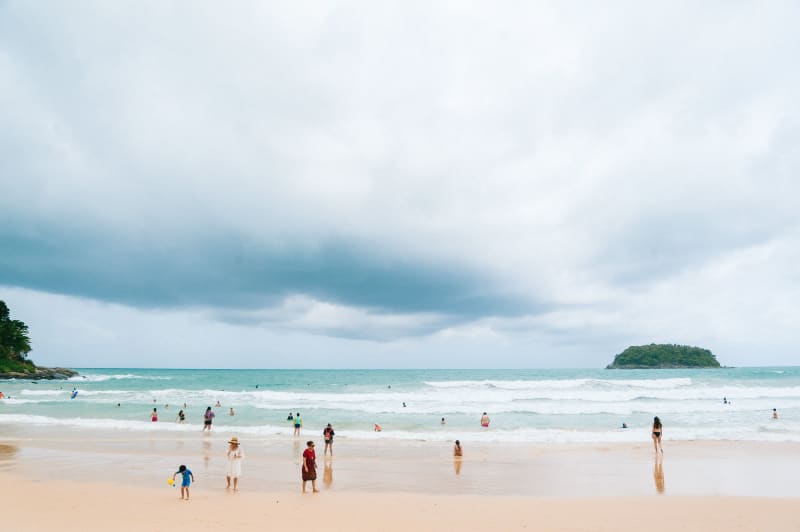
Kata
Kata is a west-coast resort village built around a sheltered surf beach, popular with families and long-stay yoga visitors.
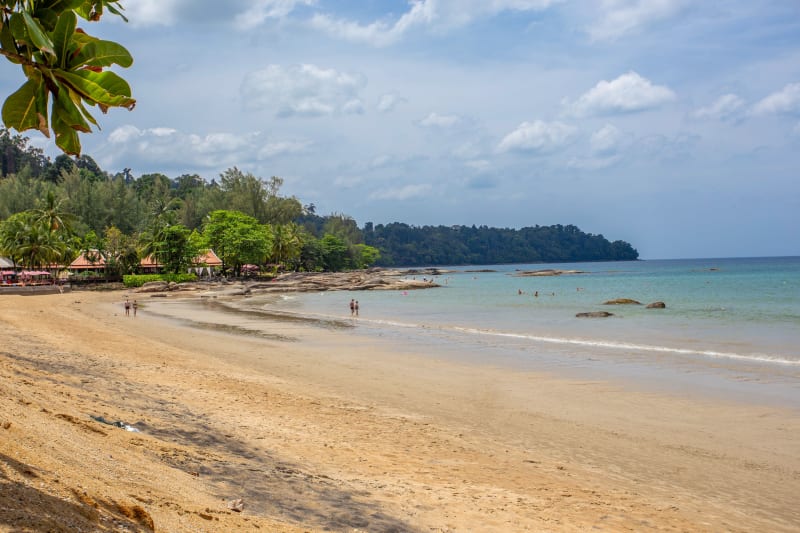
Kata Noi
Kata Noi is a small enclosed bay south of Kata, backed by steep hills, with a short beach and resort hotels.
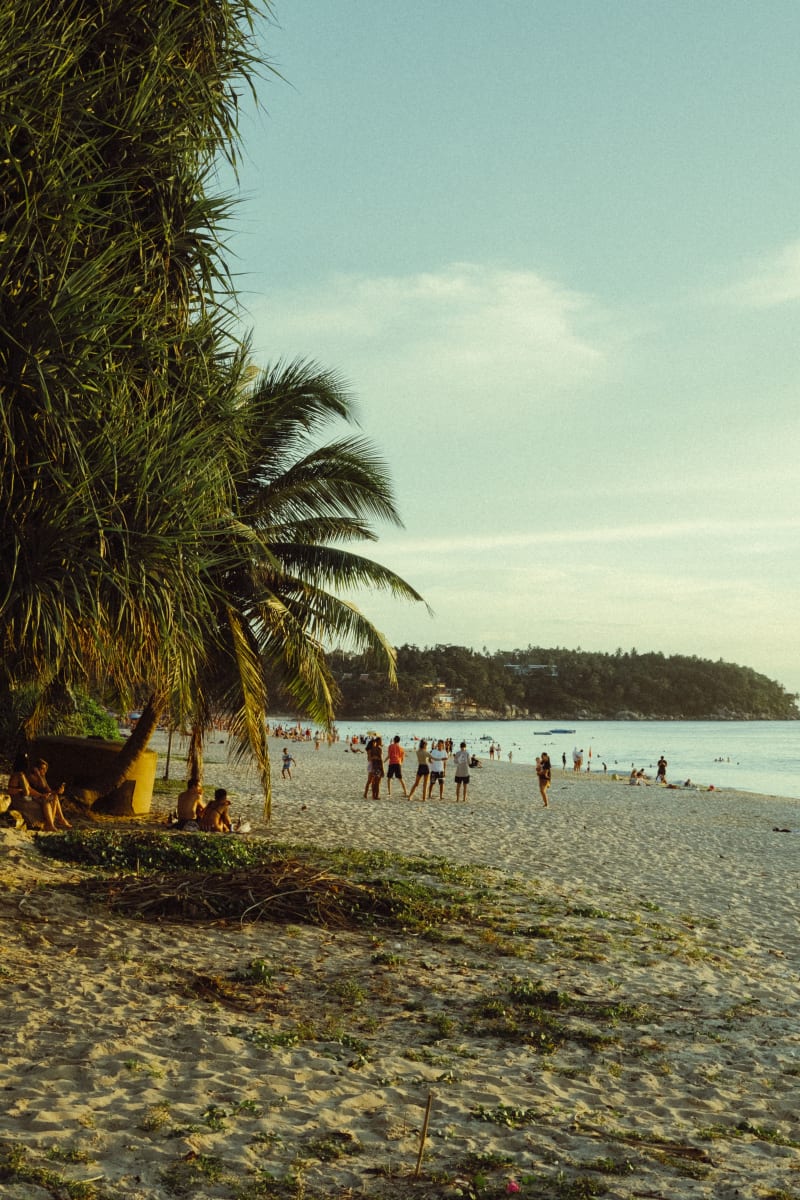
Karon
Karon is a broad west-coast beach between Patong and Kata, with a long sandy frontage and a large hotel stock.
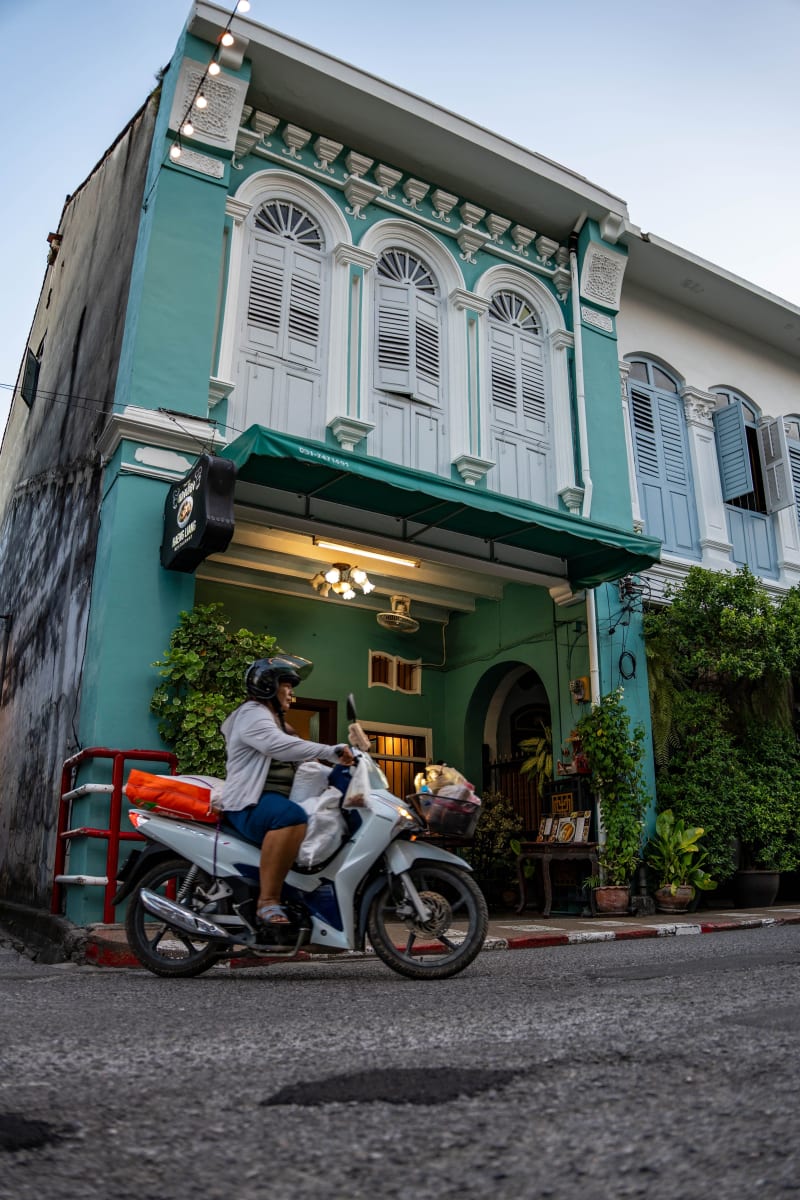
Phuket Town
Phuket Town is the island's administrative and commercial centre, with a Sino-Portuguese old quarter, everyday shops and the main markets.
Rawai
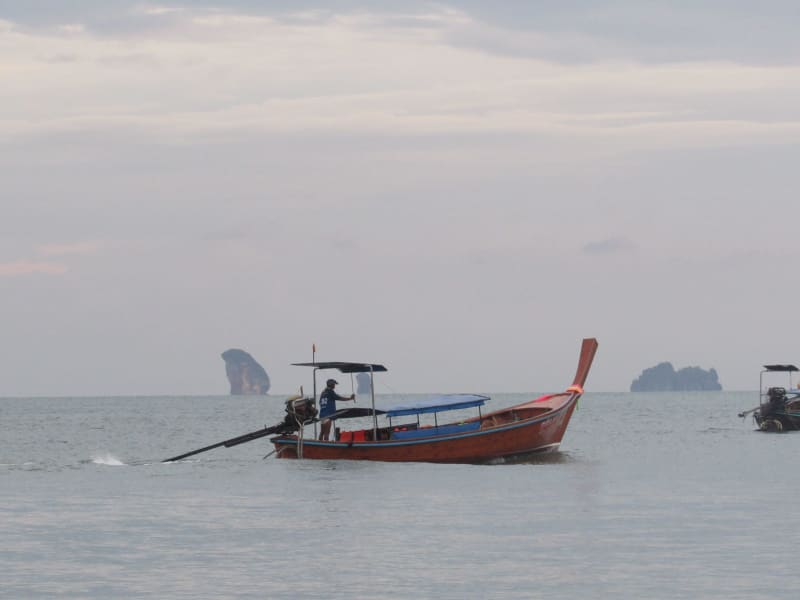
Rawai is a southern coastal village known for its seafood market, longtail pier and a large resident expatriate and long-stay population.
Tours & Tickets
Tours & Day Trips in Phuket
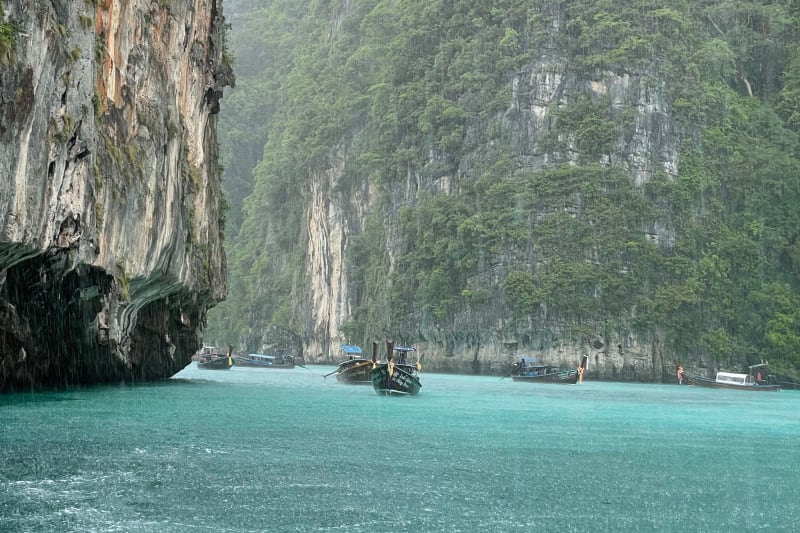
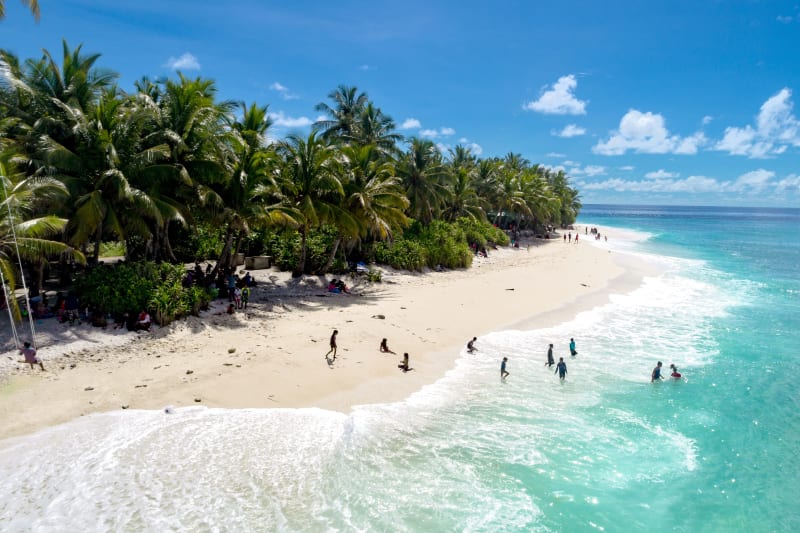
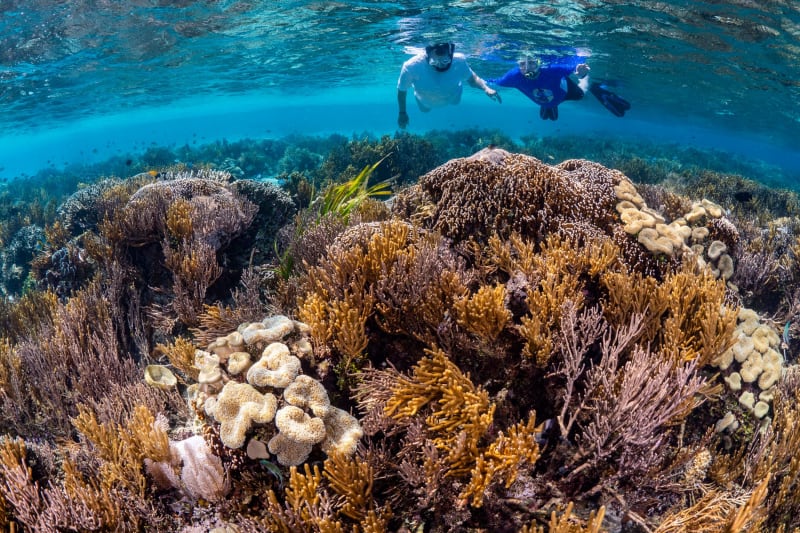
Island day trips, boat tours and skip-the-line tickets across Phuket and Phang Nga Bay, via GetYourGuide.
Driving in Phuket: What to Know Before You Rent
The International Driving Permit police actually ask for, what first-class insurance covers and the Patong hill road: a practical guide to driving in Phuket.
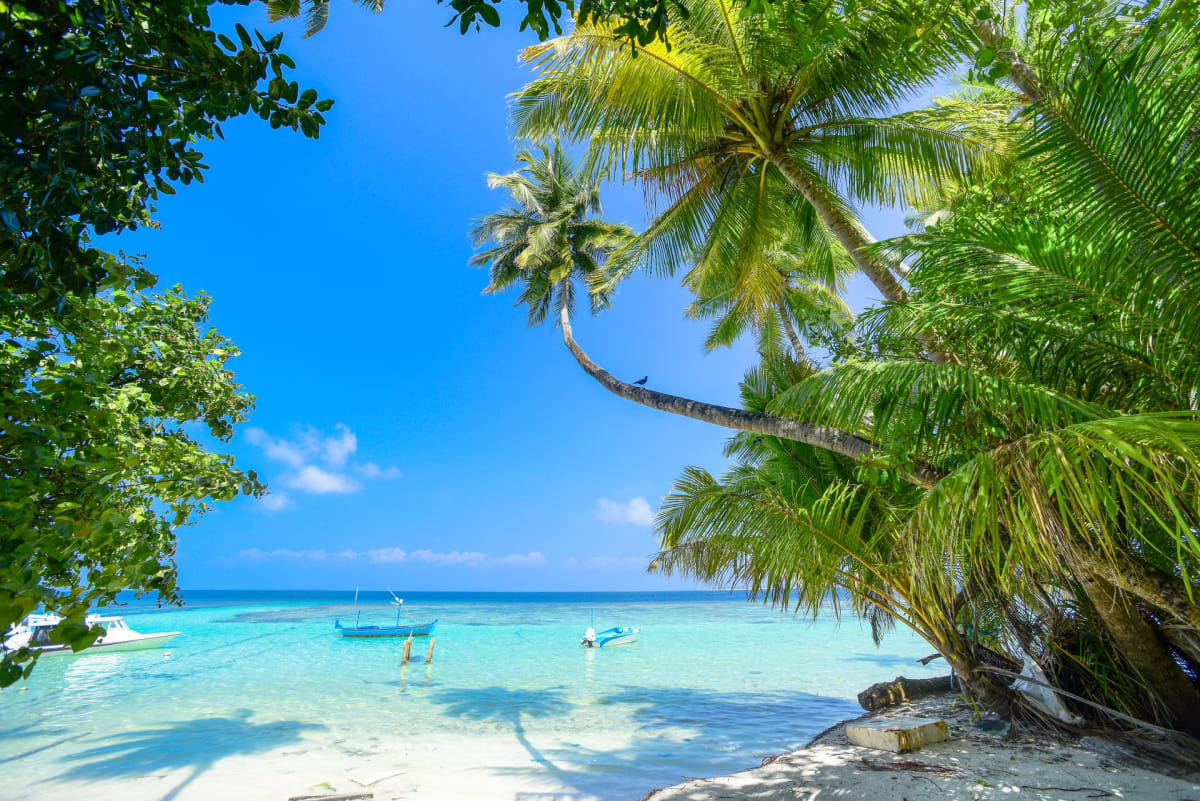
Phuket's Beaches, Area by Area
How Phuket's west coast bays differ from Patong to Mai Khao, what the monsoon does to the water, and why the red flags matter more than anything.
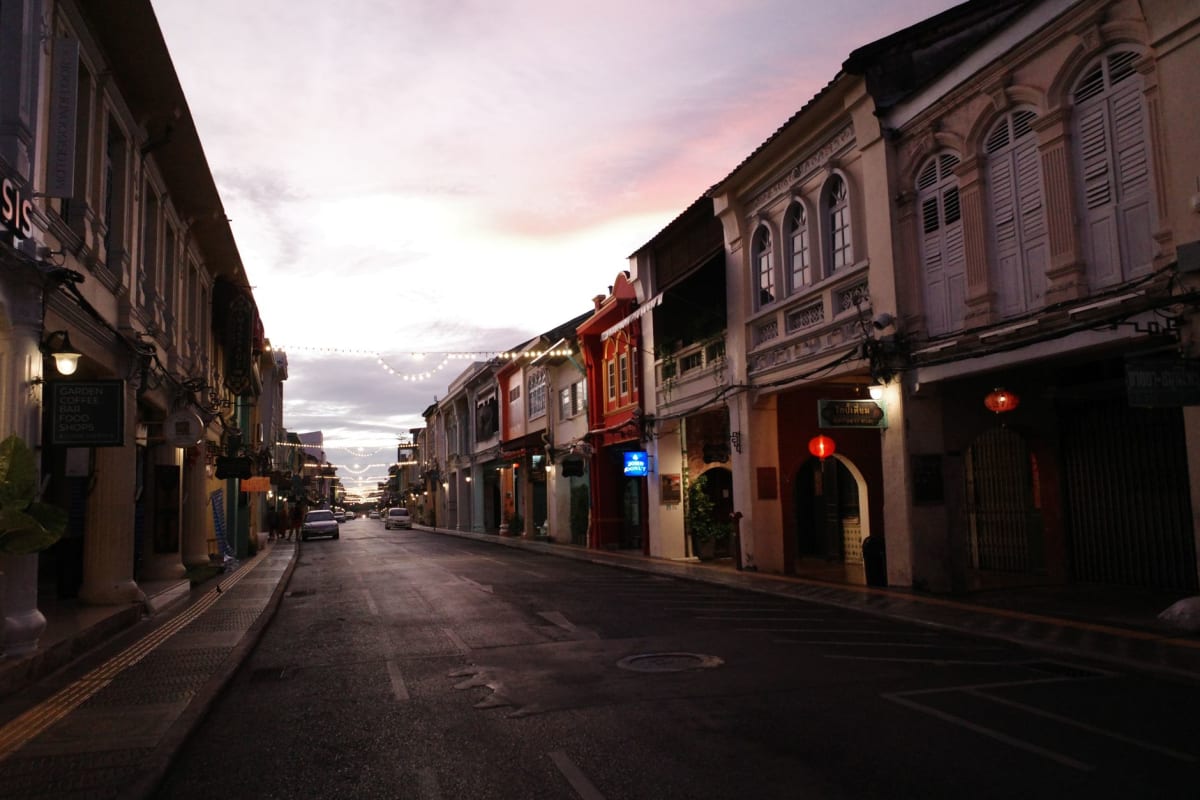
Eating Your Way Through Phuket Old Town
Hokkien noodles, moo hong, o-aew ice and royal Thai dining in a governor's mansion: why the old shophouse quarter is the best food day on the island.

Car rental
Compare car rental in Phuket
See local operators side by side, with free cancellation, no deposit and no hidden fees. Prices from 470 baht a day.
Recently Added in Phuket
The newest businesses to join the directory.
Common Questions
It depends on what you want within reach. Patong has the densest choice of hotels, restaurants and nightlife and everything is walkable. Karon and Kata offer the same beach access at a calmer pitch, which is why they suit families. Bang Tao, Surin and Kamala carry the resort and beach-club end on the northwest coast. Rawai and Chalong are the long-stay and everyday-living areas rather than beach bases, and Phuket Town is where the local food, the Old Town and the practical business are.
The airport sits at the northwest corner. Nai Yang is about ten minutes away and Bang Tao around twenty. Patong is generally forty-five minutes to an hour, Kata and Karon about an hour, and Rawai an hour or more. Metered taxis, app rides, the airport bus and pre-booked transfers all run from the terminal kerb, and the car and motorbike rental desks are on the same frontage.
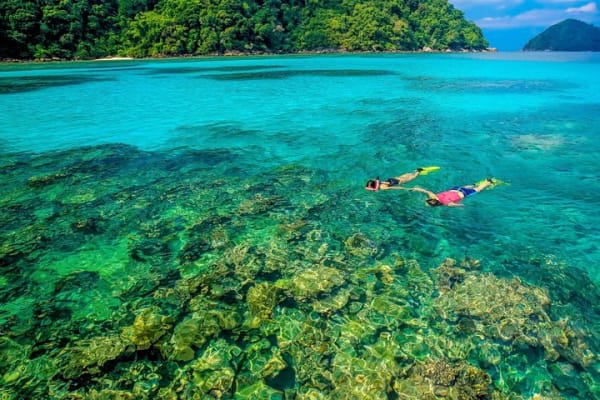
The dry season from November to April is the reliable window, with calm seas, the full boat-trip programme running and the Similan Islands open from mid-October to mid-May. It is also the busiest and most expensive stretch, peaking from mid-December to February. The southwest monsoon from May to October brings surf, rip currents and rain, but also much lower rates, a greener island and the surf season at Kata.
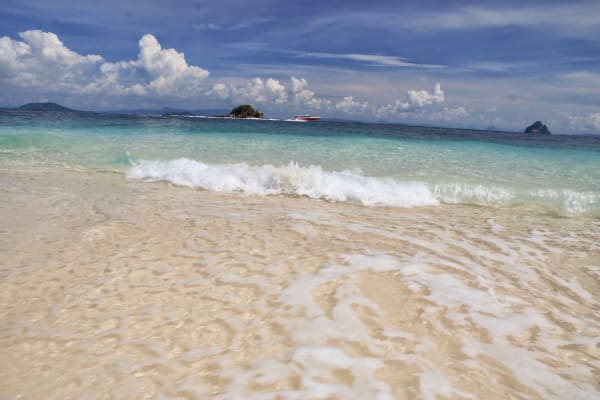
In the dry season the west-coast beaches are generally calm and well suited to swimming. During the monsoon the same beaches produce a strong shore break and rip currents, and drownings do happen every year. The red-flag system is enforced on the main beaches and lifeguards are posted at the busier ones. If a red flag is flying, stay out, regardless of how the water looks from the sand.
Public transport is thin, so most visitors rent a vehicle or pay for rides. A car makes sense for anyone staying outside a single resort area. Scooters are cheap and everywhere, but the island's accident rate is high, a helmet is legally required, and an International Driving Permit with a motorcycle entitlement is needed for both insurance and police checks. Metered taxis, app rides and the local songthaew routes cover the rest.
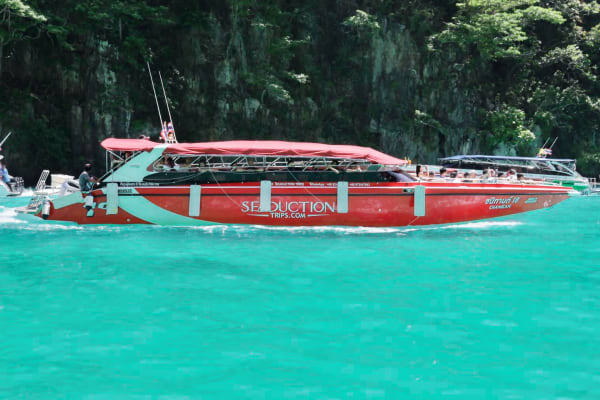
A few days ahead is usually enough outside the December to February peak, when the popular Phi Phi and Phang Nga boats are worth booking a week or more in advance. The Similan Islands trips need more notice because the national park limits daily numbers and only runs from mid-October to mid-May. Most trips leave from Rassada Pier or Chalong Pier with hotel pickup included.
It depends on what you want within reach. Patong has the densest choice of hotels, restaurants and nightlife and everything is walkable. Karon and Kata offer the same beach access at a calmer pitch, which is why they suit families. Bang Tao, Surin and Kamala carry the resort and beach-club end on the northwest coast. Rawai and Chalong are the long-stay and everyday-living areas rather than beach bases, and Phuket Town is where the local food, the Old Town and the practical business are.
The dry season from November to April is the reliable window, with calm seas, the full boat-trip programme running and the Similan Islands open from mid-October to mid-May. It is also the busiest and most expensive stretch, peaking from mid-December to February. The southwest monsoon from May to October brings surf, rip currents and rain, but also much lower rates, a greener island and the surf season at Kata.
Public transport is thin, so most visitors rent a vehicle or pay for rides. A car makes sense for anyone staying outside a single resort area. Scooters are cheap and everywhere, but the island's accident rate is high, a helmet is legally required, and an International Driving Permit with a motorcycle entitlement is needed for both insurance and police checks. Metered taxis, app rides and the local songthaew routes cover the rest.
The airport sits at the northwest corner. Nai Yang is about ten minutes away and Bang Tao around twenty. Patong is generally forty-five minutes to an hour, Kata and Karon about an hour, and Rawai an hour or more. Metered taxis, app rides, the airport bus and pre-booked transfers all run from the terminal kerb, and the car and motorbike rental desks are on the same frontage.
In the dry season the west-coast beaches are generally calm and well suited to swimming. During the monsoon the same beaches produce a strong shore break and rip currents, and drownings do happen every year. The red-flag system is enforced on the main beaches and lifeguards are posted at the busier ones. If a red flag is flying, stay out, regardless of how the water looks from the sand.
A few days ahead is usually enough outside the December to February peak, when the popular Phi Phi and Phang Nga boats are worth booking a week or more in advance. The Similan Islands trips need more notice because the national park limits daily numbers and only runs from mid-October to mid-May. Most trips leave from Rassada Pier or Chalong Pier with hotel pickup included.