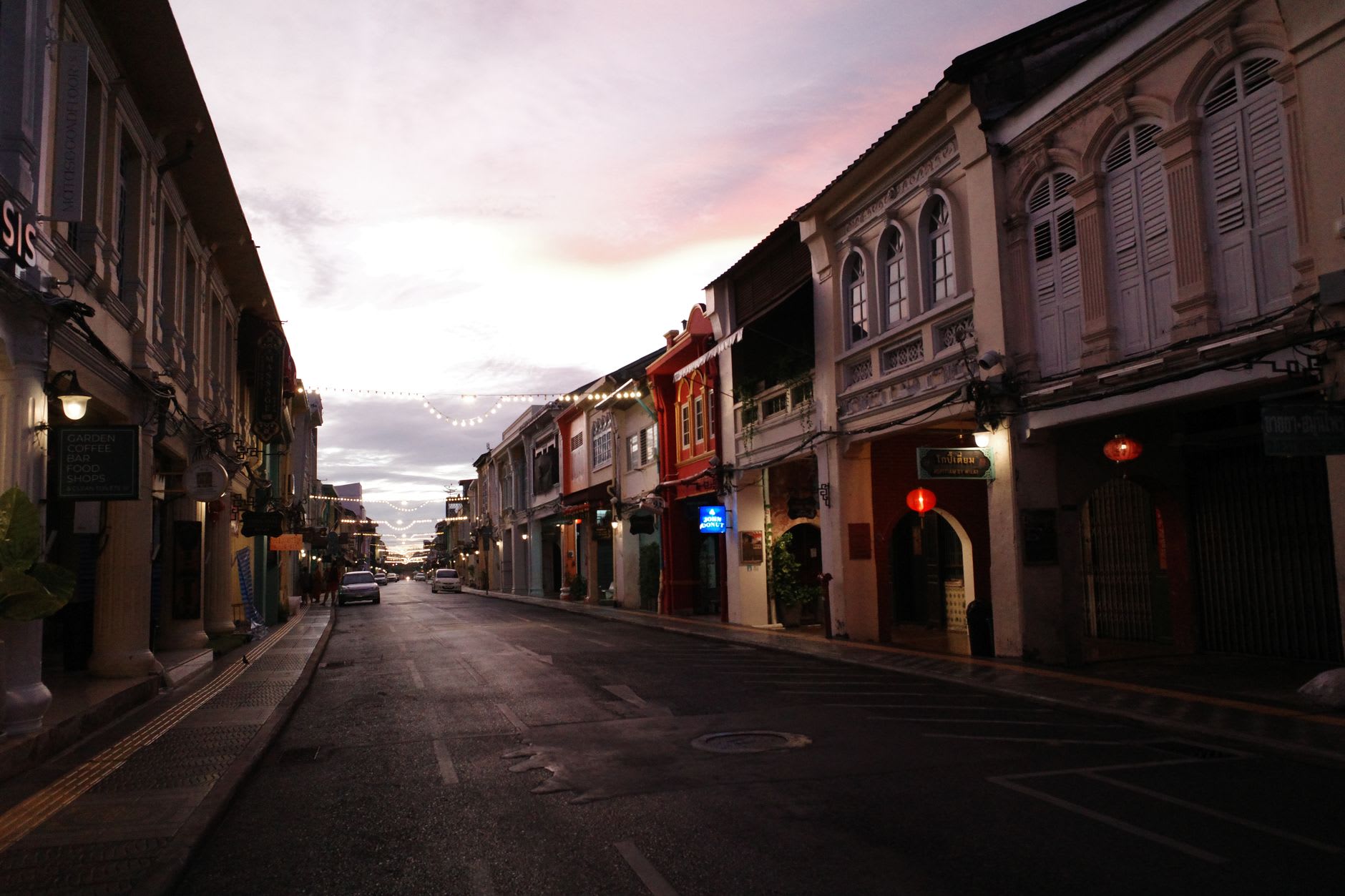
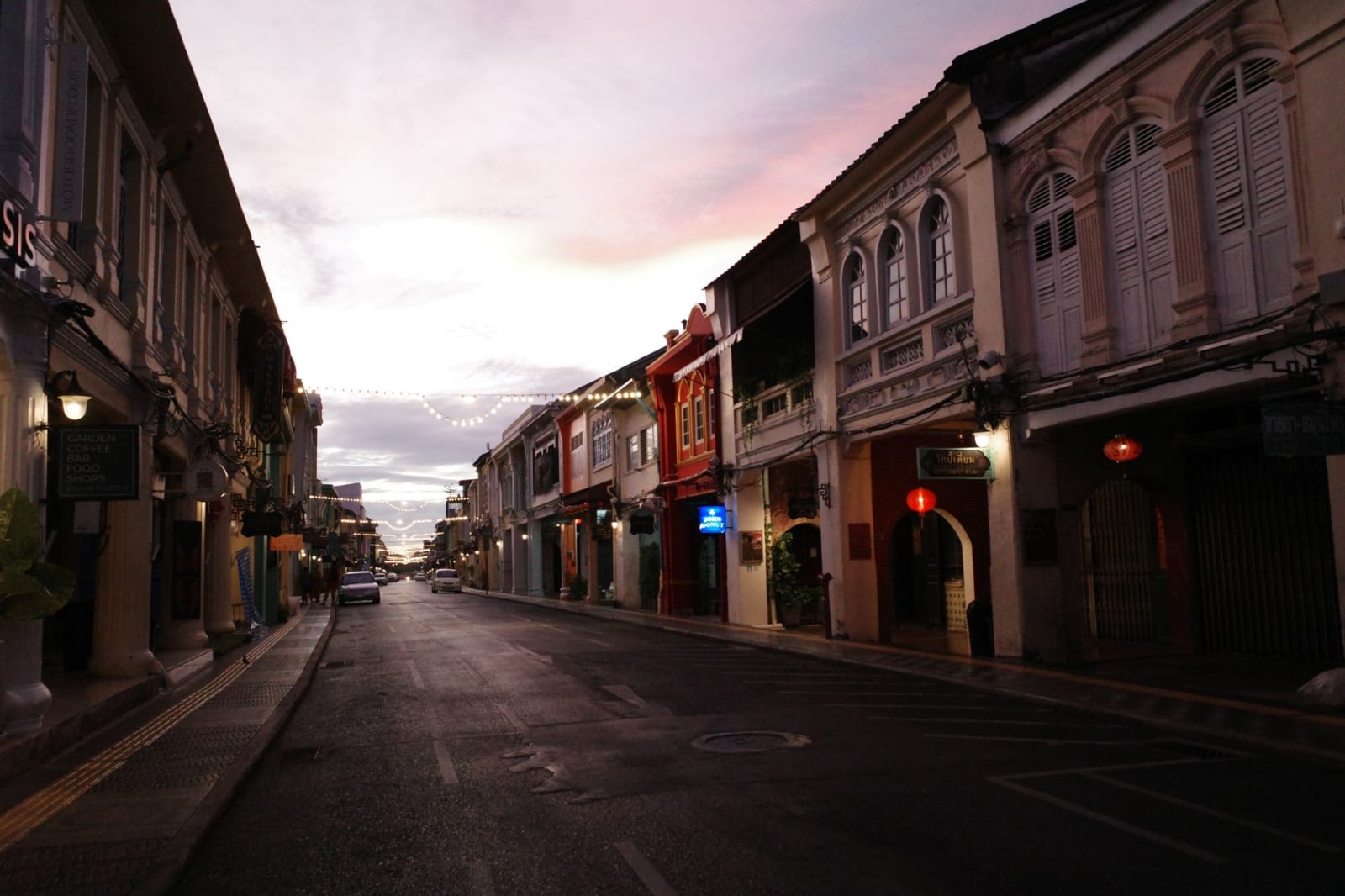
The best food day on Phuket happens nowhere near a beach. It happens in the grid of Sino-Portuguese shophouses at the centre of Phuket Town, where tin money, Hokkien migration and a century of intermarriage produced a cuisine that exists nowhere else in Thailand in this form. UNESCO added the town to its Creative Cities network as a City of Gastronomy in 2015, and the kitchens that earned that listing are still working, still cheap and still full of Thai customers.
Why the food here is different
Phuket's tin boom drew labourers, traders and mine owners from Fujian across the nineteenth century. They stayed, married into local families, and their descendants (the Baba and Nyonya, or Peranakan, households) cooked Chinese technique with southern Thai ingredients. That is why the island's signature plates lean on soy, black pepper, five-spice and wheat noodles rather than the coconut curries most visitors expect of Thailand.
The tradition is domestic rather than courtly: these recipes came out of family kitchens and mining canteens, and the quarter still treats them as ordinary daily food rather than heritage exhibits, which is precisely why they are still good. For the background before or after a meal, the museums and galleries inside the same few streets cover the mining economy and the shophouse families, and the peranakan museum deals directly with the culture the cooking belongs to.
The dishes worth ordering
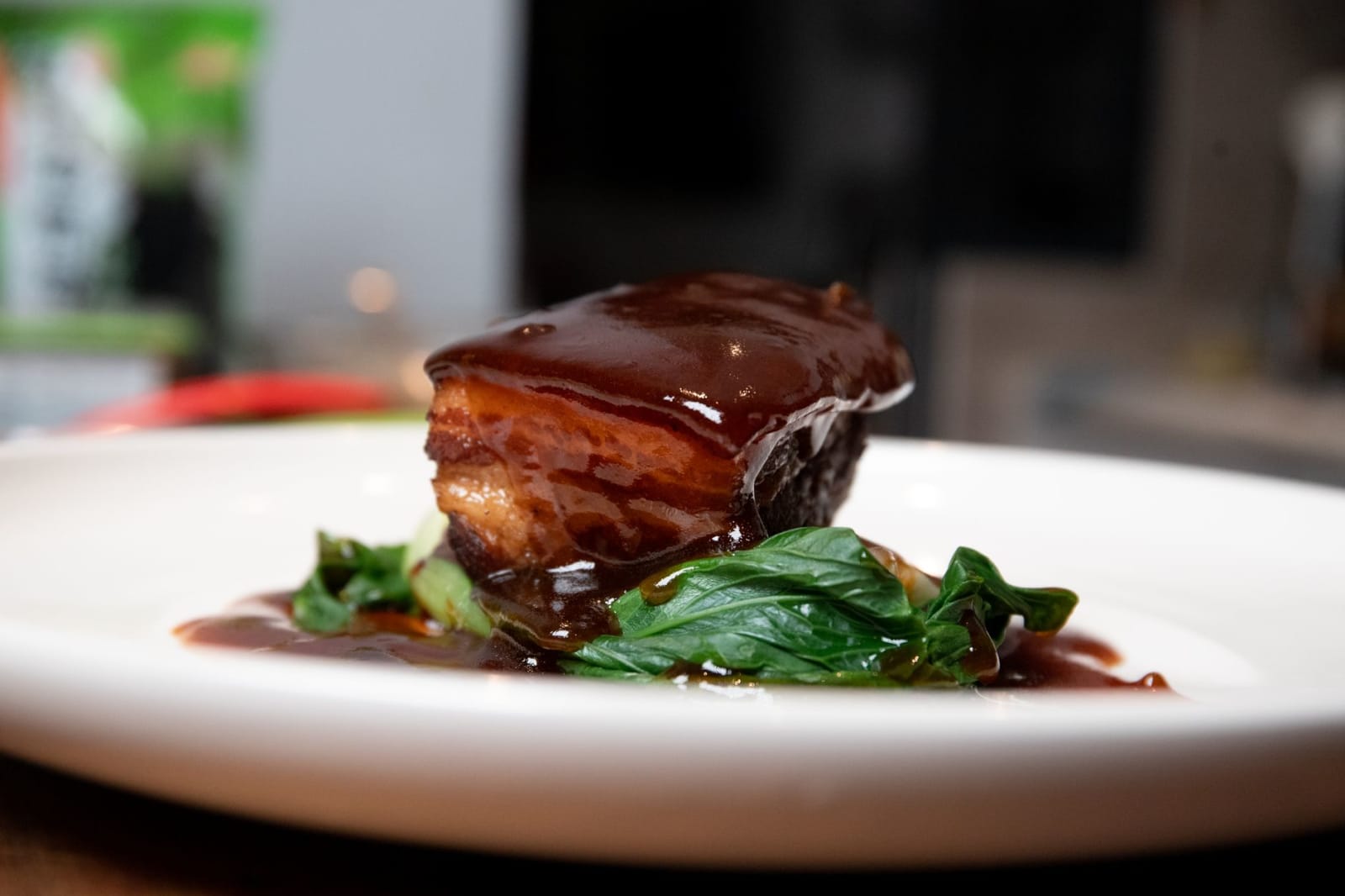
Mee hokkien is the town's benchmark: fresh yellow wheat noodles fried hard in a wok with pork, seafood, egg and a splash of stock, so they finish glossy and slightly wet rather than dry. Moo hong is pork belly braised slowly with garlic, black pepper, coriander root and soy until the meat is dark and the fat has turned to jelly; it is the dish to judge a kitchen by.
O-tao is a griddle fry of taro, egg and oysters, crisp at the edges and soft in the middle, served with a chilli dip and raw beansprouts. Loba is a platter of pork offal simmered in five-spice broth then deep fried, cut up with scissors at the counter and eaten with a sharp sour-and-chilli sauce; it is a snack rather than a meal, and better than the description sounds. Kanom jeen Phuket is breakfast: fermented rice noodles under a fish curry, with a tray of herbs, raw vegetables and fried dough so you build each mouthful yourself.
Some of these turn up across the wider run of thai restaurants in phuket, but the old town is where they are cooked for people who grew up on them, which changes both the seasoning and the price.
How to shape the day
Eat on local hours and the quarter works as one continuous route. Breakfast is served early and finishes early: kanom jeen, dim sum off the steamer trolleys, or a bowl of noodles before nine. Mid-morning belongs to the fresh market on Ranong Road, where loba and small fried snacks are counter food rather than restaurant food.
The middle of the afternoon is for coffee, which is an institution here rather than a pause. Dinner then starts early as well; the everyday shophouse kitchens fill from about six and a good number close before ten, so a nine o'clock booking habit will leave you looking at shutters. Two rooms bend that pattern: Local Canteen on Yaowarat Road puts canteen-style Thai cooking next to a wine list, which is rare in the quarter, and Tapas Cafe on Ratsada Road runs one unbroken service from breakfast to late evening for anyone whose day refuses to fit the local clock.
Coffee, old and new
Two coffee cultures overlap in the same few streets. The older one is kopi, the Hokkien style: heavy dark-roasted beans brewed through a long cloth sock filter and poured over condensed milk, or drunk black with sugar. It comes with toast and soft-boiled eggs in old-fashioned rooms, and it is worth ordering once purely for how far it sits from anything a modern bar makes.
The newer culture arrived within the last decade and has become a real reason to spend an afternoon in the quarter, because specialty coffee in the old town now runs to competition-level roasting: Campus Coffee Roasters on Krabi Road roasts its own and splits the counter between espresso and a slow bar for filter brews, while Sixory on Yaowarat keeps a small quiet room where the coffee is the only event. Thai beans from Chiang Rai and Chumphon sit on most menus beside imported roasts.
Two desserts to look for
O-aew is the town's own invention and the one sweet to make a point of finding. The base is a jelly set from the seeds of a climbing fig, rubbed in water until they release enough pectin to firm up on their own; it arrives under shaved ice with red beans and syrup, and the better stalls have Thai queues on hot weekend afternoons. Apong are thin coconut pancakes cooked in small round pans over charcoal, crisp at the rim and custardy in the centre, sold in the morning and designed to be eaten walking.
The Sunday street and the night markets
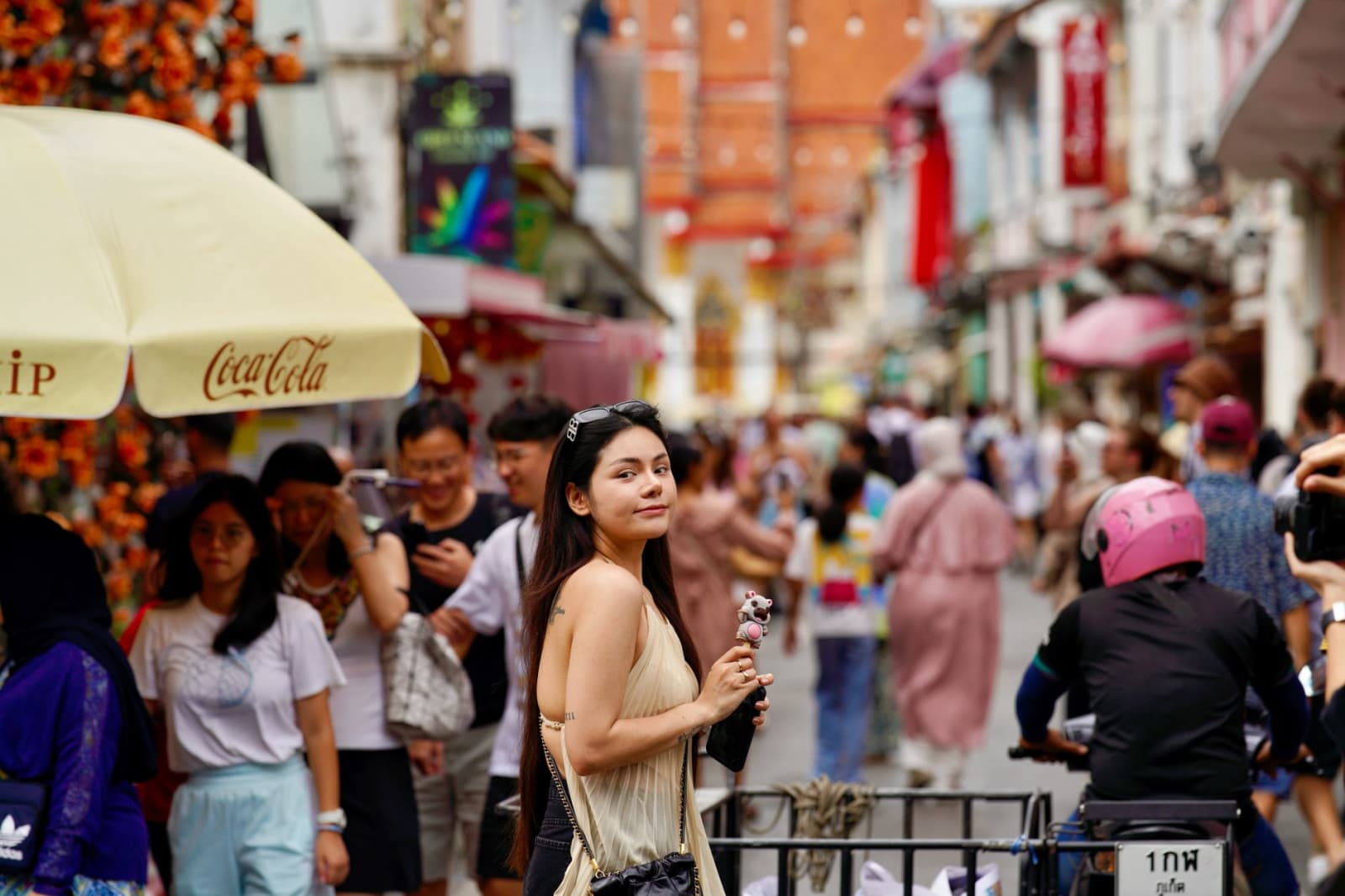
On Sundays Thalang Road closes to traffic from late afternoon and becomes the Walking Street, which is the single best moment to graze the heritage grid: grilled skewers, oyster and taro fries, local sweets and the shophouse facades lit above the stalls. Arrive before dark, when the stall cooking is fresh off the pan and the crowd is still thin enough to see what you are buying.
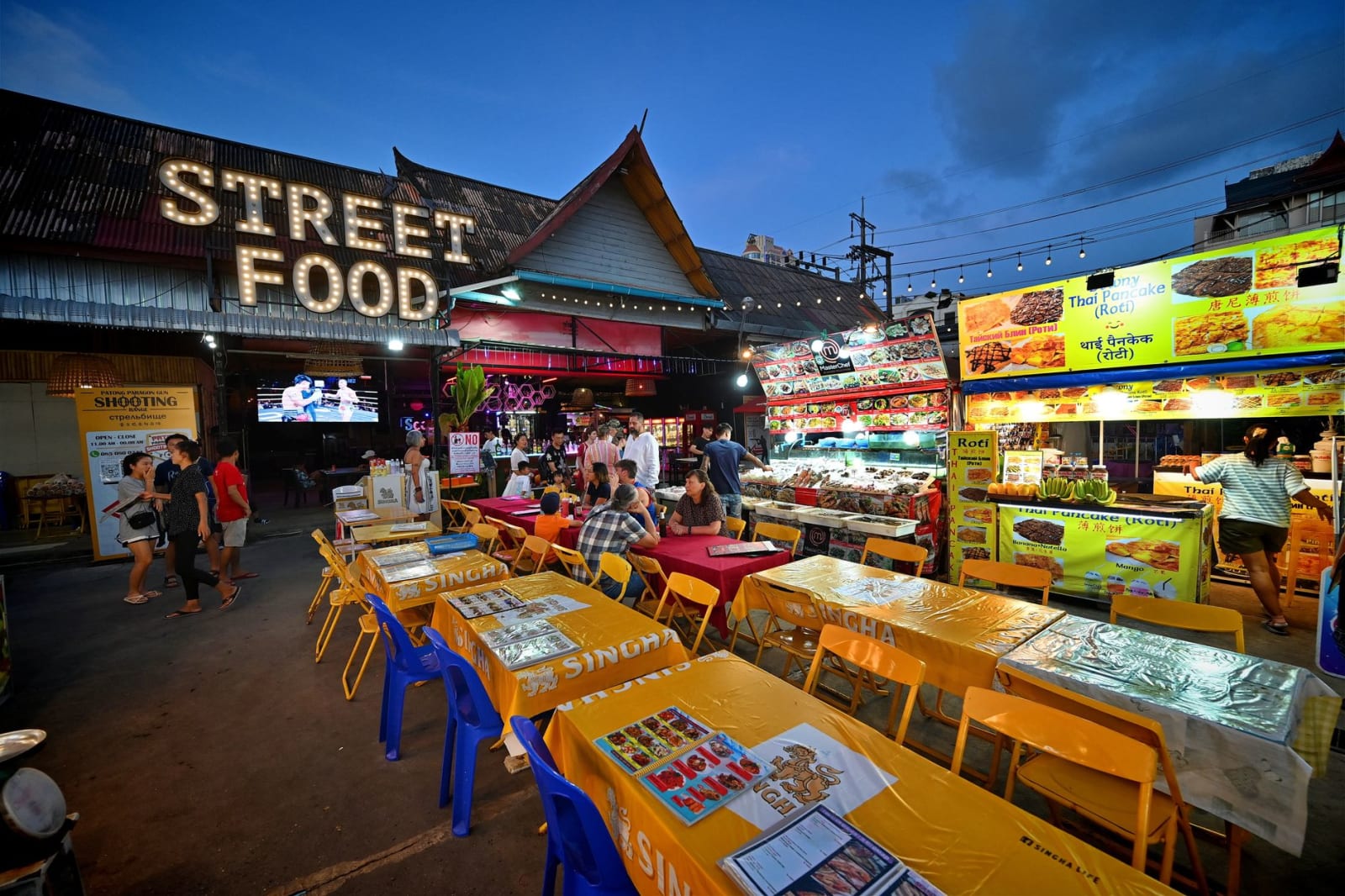
The rest of the week the night-market trade sits outside the old quarter, at Chillva and at the Naka weekend market, and the eating there is street-Thai rather than Peranakan: grilled pork skewers, papaya salad, roti and iced drinks. Good value, but not the reason you came to this part of the island.
The one formal address, and what follows dinner
The counterweight to all of the above is Blue Elephant, which serves royal Thai cuisine inside a restored governor-era mansion and runs half-day cooking classes that send the recipes home with you. Palace cooking and mining-camp cooking are two separate traditions with two separate ingredient lists, and eating both inside one square kilometre is the clearest way to understand how much ground southern Thai food actually covers.
The drinking scene has grown alongside the coffee, and the current run of bars in phuket town occupies the same shophouses a few doors from the restaurant streets, so the evening carries on without a taxi.